Quick Answer How Much Does It Cost to Maintain a Car in Nigeria? In 2026, the cost to maintain a car in Nigeria ranges from approximately ₦70,000 to ₦300,000+ monthly, depending on the vehicle ...
28May

Quick Answer: Common mistakes first-time car buyers make in Nigeria include ignoring maintenance costs, choosing the wrong brand, skipping diagnostics, focusing only on appearance, and failing to verify documents properly.
Buying a car without a solid plan is like trying to cross a busy highway during Lagos rush hour with your eyes closed; you might get lucky, but the chances of a disaster are incredibly high. In the Nigerian car market, many beginners walk into a car lot with big dreams, only to be sweet-talked by dealers who can spot a “novice” from miles away.
Understanding the common mistakes first-time car buyers make can save you from expensive errors in Nigeria’s car market.
In an era where petrol prices are biting hard and “wash-wash” mechanics are everywhere, you must be extra sharp. Your hard-earned money shouldn’t vanish into a bad deal.
Below are 5 Common mistakes first-time car buyers make in Nigeria when acquiring their first car.
One of the most common mistakes first-time car buyers make is focusing only on the purchase price.
A car is not a one-time payment; it is more like a monthly subscription to movement. If you spend every last Kobo on the purchase price, you will find yourself grounded. To plan your finances effectively, read our comprehensive breakdown on How Much Does It Cost to Maintain a Car in Nigeria? (2026 Budget Guide) to master the true cost of ownership, which includes:
| Hidden Cost Category | Estimated Budget Impact | Frequency |
|---|---|---|
| FRSC Registration & “Car Papers” | ₦50,000 – ₦120,000 (Depending on vehicle type) | Annual / Initial |
| Insurance Coverage | ₦15,000 (Basic Third-Party) up to 10% of car value (Comprehensive) | Annual |
| Routine Maintenance (Oil, Filters) | ₦25,000 – ₦60,000 (Highly brand-dependent) | Every 3 – 6 months |
| The “Lagos Factor” Emergency Fund | Keep at least ₦150,000 on standby for unexpected issues | As needed |
The Red Flag: If a seller pressures you with lines like “someone is coming to buy it now”, it is usually a tactic to rush your decision. This is one of the most dangerous car buying mistakes in Nigeria.
Never let a seller’s fake hurry push you into a ₦7 million mistake.
In the excitement of buying a first car, many beginners choose a vehicle based on secondary features like complex dashboard screens or luxury badges, completely ignoring how parts are sourced in Nigeria.
If you buy a rare euro-spec luxury ride or a brand that local mechanics call “wahala car,” a minor issue like a broken side mirror or a faulty fuel pump will ground you for weeks while you wait for expensive imports.
Stick to highly liquid, locally understood brands for your first vehicle. Check out our expert breakdown of the 10 Cheapest Cars to Maintain in Nigeria (2026 Buyer Guide) to see exactly which models won’t drain your savings. A car whose parts can be easily sourced at local hubs will save you from constant financial headaches.
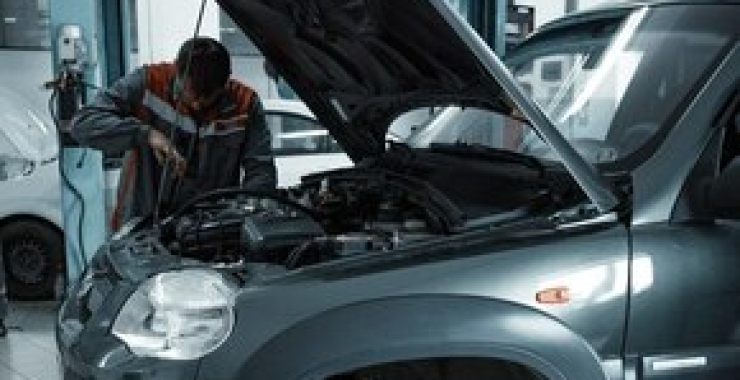
Modern vehicles rely heavily on electronics, making visual inspection insufficient.
One of the most overlooked first-time car buyer mistakes in Nigeria is skipping a proper OBD diagnostic scan.
Failing to hire a mechanic with a diagnostic scanner is an open invitation to heartbreak.
A small inspection cost can save you from massive engine or gearbox repairs
Dishonest sellers routinely clear dashboard warning lights using basic battery resets right before a buyer arrives.
Spending ₦15,000 for an on-site OBD2 digital scan can extract hidden error codes from the vehicle’s brain box, instantly saving you from ₦800,000 engine overhauls down the road.
Another massive trap is falling in love with a car’s “skin” while ignoring its “heart.” A freshly waxed exterior and a nice-smelling interior can easily hide a dying transmission or an engine that is about to overheat.
A vehicle might drive beautifully on a perfectly smooth estate road but fall apart completely on a typical street filled with potholes and rough terrain. To ensure you end up with a reliable daily driver, review our selection of the Top Fuel-Efficient Cars for Nigerian Roads (2026 Survival Guide).
Always put your prospective vehicle through its paces with two unmissable tests:
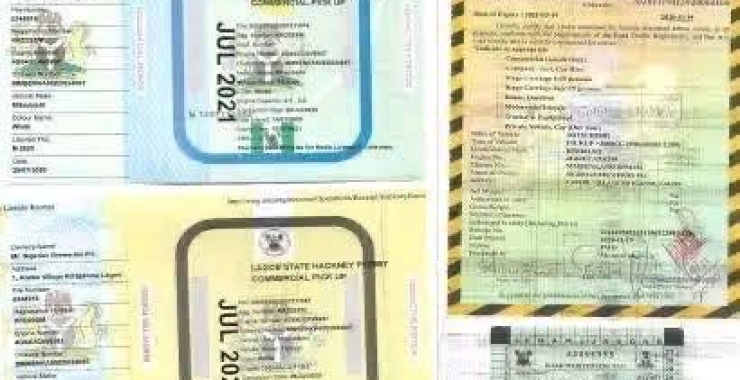
Perhaps the most dangerous move of all is failing to verify the paperwork. In Nigeria, a car with fake papers is a car that technically doesn’t belong to you, no matter how much cash you handed over. Never pay a “commitment fee” or “holding money” just to look at a vehicle before checking these documents.
Physical papers can be forged to look flawless. You must run digital checks using the vehicle’s unique VIN (Vehicle Identification Number). Follow our step-by-step tutorial on How to Verify Car Documents Before Buying: The Ultimate 2026 Protection Guide to confirm everything through the official portals.
A car with invalid documents can be seized even after full payment. Never rely on physical papers alone—always verify digitally.
Before you transfer a single Naira, make sure you or your mechanic can cross off every item on this quick-reference checklist:
| Inspection Area | What to Look For / Test | Critical Red Flag |
|---|---|---|
| Engine & Gearbox | Smooth idling; crisp gear shifting; clean oil under the filler cap | Milky residue under the oil cap (blown head gasket); jerky gear shifts |
| Computer System | Hook up an OBD2 scanner; check for recently cleared codes | “Check Engine” light on, or a dashboard bulb that has been purposely disconnected |
| Undercarriage & Body | Look underneath for fresh wet spots or structural weld marks | Heavy rust on structural rails; active oil, coolant, or transmission fluid leaks |
| Paperwork Verification | Match physical VIN plates to FRSC and CMRIS digital databases | Mismatched digits; missing Customs clearance history for Tokunbo models |
A. The absolute biggest mistake is paying for the car before a professional mechanic has checked it and you’ve verified the documents. Never pay a “commitment fee” just to look at a vehicle.
A. Nigerian-used cars are cheaper upfront, but they carry more risk. If you go this route, check the service history with eagle eyes. A well-maintained, fuel-efficient brand is always a smarter, safer first buy than a badly managed luxury ride.
A. Walk away immediately. If a seller blocks you from using an OBD scanner or bringing your own mechanic, they are actively hiding a severe mechanical issue that will become your financial headache later.
Avoiding the common mistakes first-time car buyers make in Nigeria is about discipline, not luck.
A good car purchase is not rushed—it is verified, tested, and carefully evaluated.
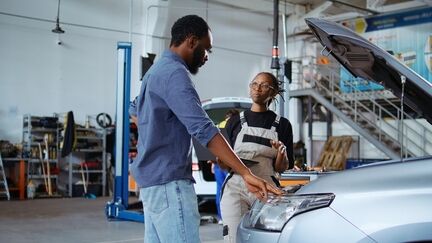
Take your time, involve a trusted mechanic, and never ignore documentation checks. Doing this ensures your first car brings freedom, not financial stress.