Quick Answer How Much Does It Cost to Maintain a Car in Nigeria? In 2026, the cost to maintain a car in Nigeria ranges from approximately ₦70,000 to ₦300,000+ monthly, depending on the vehicle ...
28May

The cheapest cars to maintain in Nigeria are the
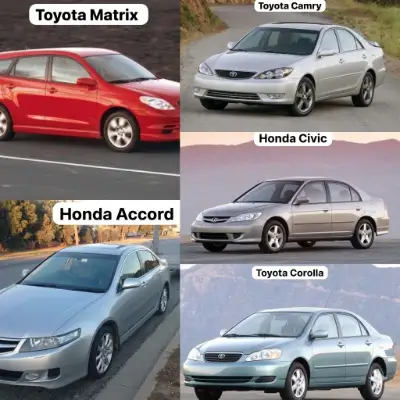
Toyota Corolla, Honda Accord (older models), Toyota Camry, Honda Civic, Toyota Yaris, Hyundai Elantra, Kia Rio, Nissan Almera, Toyota Sienna, and Lexus RX (older generations).
These vehicles are popular because they combine strong fuel economy, affordable spare parts, easy repairs, and proven reliability on Nigerian roads.
For most Nigerians, the Toyota Corolla remains the safest all-round choice because mechanics understand it well, spare parts are everywhere from Ladipo to Apo Market, and maintenance costs stay relatively predictable.
Choosing a ride that treats your bank account with respect is an absolute art form in Nigeria. In an economy where every single Naira must be accounted for, your vehicle shouldn’t act like a “second landlord” demanding heavy, unexpected rent every other week. Between the fluctuating price of fuel averaging around ₦1,300 to ₦1,440 per litre across different stations and the rising cost of replacement components at major auto hubs like Ladipo or Apo, you need a machine that is rugged, mechanically simple, and incredibly forgiving.
Before you even make a down payment on a vehicle, it helps to understand the baseline numbers. You can map out your monthly expenses by checking out our comprehensive breakdown on How Much Does It Cost to Maintain a Car in Nigeria?
If you want to keep your garage bills at an absolute minimum and protect your hard-earned savings, discovering the cheapest cars to maintain in Nigeria is your smartest move. The following ten vehicles offer the perfect real-world balance of fuel economy, widespread parts availability, and long-term mechanical reliability.
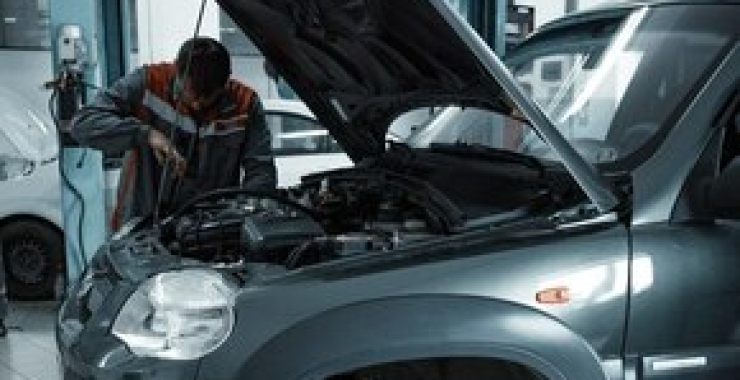
When evaluating how budget-friendly a vehicle is over the long haul, regular maintenance is where the math happens. In the current market, a standard “minor service” varies drastically based on oil grade and workshop location.
Using standard semi-synthetic oil along with a basic oil filter generally runs between ₦25,000 and ₦45,000. Fully synthetic oil can push servicing closer to ₦55,000 and ₦85,000.
Brake pads typically cost ₦15,000 to ₦35,000 depending on quality. Suspension components like ball joints (₦10,000 to ₦20,000 each) and shock absorbers (₦25,000 to ₦70,000 per pair) are frequent expenses in Nigerian road conditions.
If you are in a hurry, here is a quick look at how these rides stack up before we dive into the details:
The Corolla remains the undisputed “National Car” of Nigeria. Whether you are driving the 2003 “Hamster” or the 2018 model, its 1.8L engine is a masterpiece of structural simplicity.
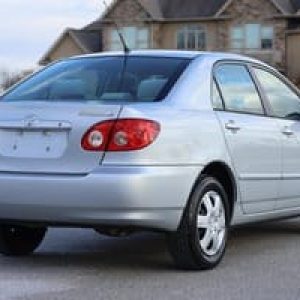
The Details: Parts are so common that you can find them in almost any local market.
The suspension is built like a wrestler—it takes the “gallops” of Nigerian roads and asks for more. In 2026, it remains the safest answer for anyone wanting low fuel use and easy ownership.
It remains one of the most trusted options when discussing the cheapest cars to maintain in Nigeria for family use.
From the legendary “Pencil Light” (1997–2001) to the “Muscle” (2007–2011), the Camry offers “big boy” comfort without the heavy repair bills.
The Details: The Pencil Light is practically immortal, often clocking over 300,000 km without major failure. Stick to 4-cylinder models to keep your fuel budget under control.
Buyer’s Tip: If you are buying the “Muscle”, try to look for the 2010–2011 facelift models, as the earlier 2007–2009 versions are known to burn engine oil if not strictly maintained.
Whether you go for the sleek “Civic Dolphin/UFO” (2006–2011) or the upgraded “Civic Rebirth” (2012–2015), this lineup is the perfect choice for those who want style without the “wahala” of expensive repairs.
The Details: It’s punchy and fun to drive, but it stays humble at the fuel pump.
It has a long-term reputation for durability, and brake and tire replacements for these models remain some of the most affordable in the market.
This is essentially a Corolla wearing a “backpack.” It shares the Corolla’s bulletproof 1.8L engine and mechanical parts, making it an absolute cheapest cars to maintain in Nigeria dream.
The Details: It’s the “Swiss Army Knife” of cars—perfect for school runs, hauling goods for your business, or navigating flooded streets. Because it shares Corolla DNA, you never have to pay a “specialist” markup for repairs.
If you want to enjoy luxury without the “luxury bills,” this is the cheapest cars to maintain in Nigeria option within the premium segment.
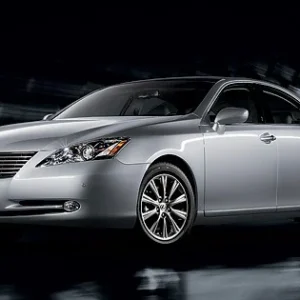
The Details: Because it shares many components with the Toyota Camry, you get leather seats and a premium vibe while paying Toyota prices for spark plugs and filters. Just keep in mind that its V6 engine will naturally drink more petrol than the 4-cylinders on this list!
The Rio is a “straight-to-the-point” car with very few complex electronics to fail, making it a favorite for city dwellers.
The Details: It provides a modern feel without the ancient age of some Toyotas. In the 2026 economy, its tiny fuel appetite makes it one of the smartest buys for hassle-free urban mobility.
The 2008–2012 Accord is famous for its aggressive, sporty look and solid road presence.
The Details: To keep it on the list of cheapest cars to maintain in Nigeria, you must be strict with its fluids. Use only genuine Honda transmission fluid, and it will handle the highway like a cruise ship for years.
For those who live in areas where the roads look like “lunar craters,” the RAV4 is the rugged answer.
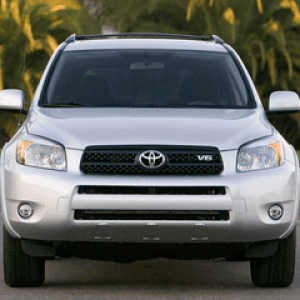
The Details: It gives you the ground clearance of an SUV with the repair bill of a small car. It avoids the expensive air-suspension systems of larger SUVs, keeping your suspension “bush” (bushing) replacements very cheap.
Hyundai has built a massive footprint in Nigeria, making the Elantra a smooth, fuel-efficient operator with a very healthy parts market.
The Details: Parts are surprisingly affordable because so many were sold to corporate fleets.
It handles local fuel quality better than many European rivals, ensuring your fuel pump stays happy.
The “Generation 2” CR-V is arguably the most rugged SUV Honda ever built for Nigerian terrain.
The Details: It uses a timing chain, not a belt, so you don’t have to worry about a belt snapping and “killing” your engine.
It’s a workhorse that provides SUV practicality while keeping ownership costs impressively low.
The real reason these vehicles are the cheapest cars to maintain in Nigeria is the “Roadside Factor.” Mechanics already understand them, so repairs are faster and cheaper.
This is the main reason these models dominate the list of cheapest cars to maintain in Nigeria.
In the current economic landscape, true vehicle upkeep isn’t measured solely by your workshop invoices—it is heavily impacted by your expenses at the fuel pump. If you want to see how these powertrains perform against other highly efficient alternatives, check out our deep dive into the Top Fuel-Efficient Cars for Nigerian Roads.
The 4-Cylinder Advantage: Nine out of the ten vehicles featured on this list rely on inline 4-cylinder engines. These powertrains act like efficient small business operators; they use less engine oil during routine servicing and require far less petrol for your everyday driving.
A Highly Competitive Spares Market: Because these specific models are incredibly popular across the country, merchants constantly compete for your business. This high transaction volume drives down retail pricing on common consumables like filters, brake pads, and shock absorbers.
Older BMWs, turbo Volkswagen models, aging Mercedes-Benz sedans, and older Range Rover Sport models can become extremely expensive to maintain due to complex systems and limited parts availability.
Investing in a vehicle with cheap spare parts is a major step toward long-term financial independence. It means choosing a tool that serves your daily needs, rather than a luxury asset you are constantly working to fund. Avoid the temptation to buy an overly complex car just to make an impression, only to end up walking because a single repair invoice exceeds your monthly budget.
Before finalizing your vehicle purchase, protect your investment by reviewing our guide on Common Mistakes First-Time Car Buyers Make. Once you have selected a solid model, ensure your hard-earned money is completely safe by following our steps on How to Verify Car Documents Before Buying.
Choosing from the cheapest cars to maintain in Nigeria list helps you significantly reduce long-term ownership stress and repair costs.
Below are common questions about the cheapest cars to maintain in Nigeria asked by buyers in the market.
What is the cheapest car to maintain in Nigeria?
The Toyota Corolla remains the most affordable due to cheap spare parts and mechanic familiarity.
Which SUV is cheapest to maintain in Nigeria?
Toyota RAV4 and Honda CR-V are the most affordable SUVs to maintain.
Are Honda cars expensive to maintain in Nigeria?
No, they are affordable if properly serviced with genuine fluids.
Is Lexus expensive to maintain in Nigeria?
The Lexus ES 350 is affordable because it shares parts with the Toyota Camry.