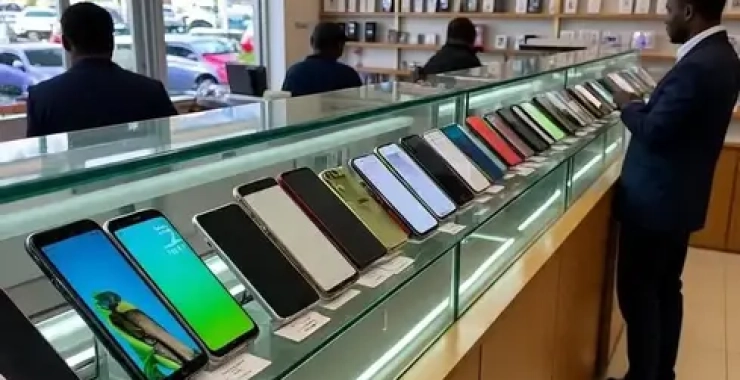
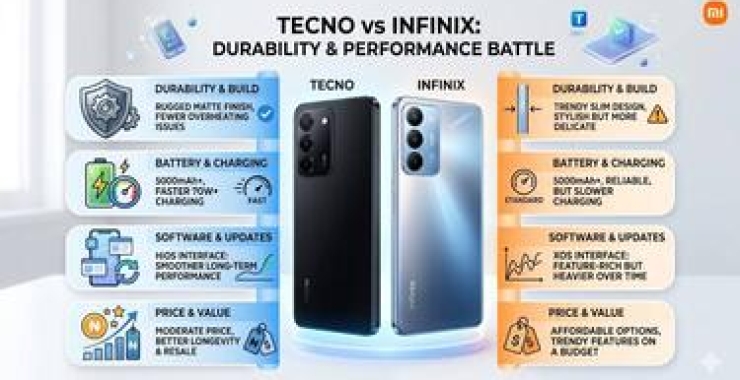
Quick Answer: Infinix is best for performance and gaming, Tecno for value and everyday business use, and Samsung for long-term reliability and software support. If you are standing in a phone ...
26May

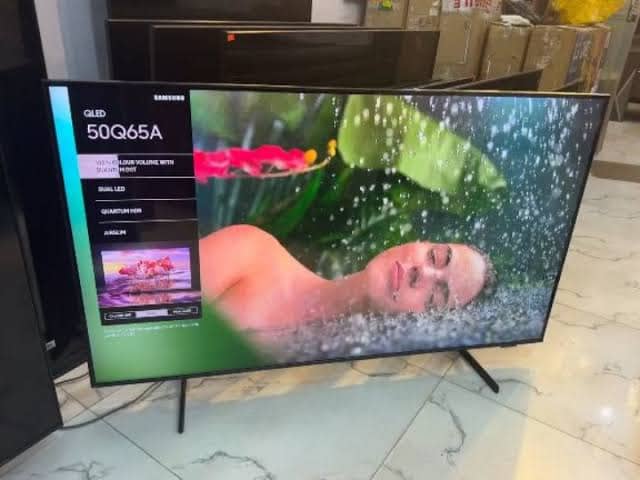
Most people don’t think they’ve made a mistake when they leave the shop. At that moment, everything feels perfect. The TV is on, the picture is bright, and the seller is calling you “My Boss.” You pay, you carry it, and you move on.
But if you don’t know how sellers hide faults in used TVs in Nigeria, that good feeling won’t last long. Sometimes it takes days, or even weeks, before problems start to show up. You just pause and think: “Wait… this thing wasn’t like this in the shop.”
In Short, sellers hide faults in used TVs in Nigeria by increasing brightness, limiting testing time, hiding faulty HDMI ports, masking speaker problems in noisy markets, and covering up overheating issues. Testing a TV for at least 30 minutes before buying helps expose these faults.
If you’ve ever tested electronics at Alaba International Market, Arena, or Computer Village in Ikeja, you know that feeling. Many people buying UK-used or fairly used TVs assume the screen is fine simply because it powers on. However, the tricks used TV sellers use aren’t magic. It’s just about making a bad screen look great until your money leaves your pocket.
When you walk into a shop selling fairly used TVs, almost every screen is set to “Vivid” or “Dynamic” mode with the brightness cranked up to 100%.
Sellers do this because high brightness hides backlight bleed and those faint, cloudy white patches that appear on old LED screens. Everything looks flawless under the bright fluorescent lights of the shop. But the moment you get the TV into your living room and turn down the lights, the real face of the screen starts showing.
This kind of cosmetic packaging is common across the entire second-hand electronics market. If you are also shopping around for mobile devices, you have to be just as careful to avoid similar traps.
Many buyers check the screen, see a good picture, and feel satisfied. But they completely forget to check the back of the TV.
Buying a Tokunbo TV with a broken port is like buying a car that can’t shift into reverse. It might display a picture fine because HDMI 1 works. But the moment you get home and try to connect your PS5, decoder, and soundbar at the same time, you realize the TV is limited.
A TV with dead HDMI ports is just a glorified monitor. Don’t pay full price for a TV that forces you to constantly unplug cables just to change devices.
Second-hand TVs can run perfectly for 10 minutes and then start acting up once they get hot. Many TV repair technicians recommend allowing used electronics to run for a while because heat-related faults often don’t appear immediately.
Sellers often rely on a very quick test to move problematic stock. Most hidden TV defects, like screen flickering, vertical lines, or a freezing motherboard, only start when the TV gets warm. If you don’t let it run for at least 30 minutes while you are talking with the seller, you haven’t really tested it. The real test begins when the back panel gets hot.
When you buy a Smart TV, you are buying a computer, not just a screen.
A TV can look modern on the outside but the TV’s processor may already be struggling inside. If it takes 20 seconds just to open the YouTube app, the internal hardware is tired and will frustrate you.
In the shop, the TV connects to the internet instantly because the router is sitting right next to it. But if the internal antenna is weak, it will keep dropping the connection once you take it home.
In a loud, busy market, you cannot hear a speaker that is vibrating or tearing. This is one of the most common problems in second-hand TVs sold in bustling environments.
Sellers purposefully play videos with heavy bass to show the TV is loud. What you won’t notice in that noisy environment is the annoying crackle in the audio, which you will only hear clearly when you are in a quiet room at night. Always test the sound at low, medium, and high volumes to make sure the voices are clean.
Before you hand over any cash, use this quick checklist to spot faults dealers conceal across the major electronics hubs:
| Faulty Area | What to Look For | How to Test It |
|---|---|---|
| Screen | Cloudy patches, backlight bleed | Switch from Vivid to Standard |
| Ports | Dead HDMI or USB | Test every port |
| Overheating | Flickering after heat | Run TV for 30 minutes |
| WiFi | Weak signal | Test hotspot from distance |
| Speakers | Crackling audio | Test low and high volumes |
To ensure you walk away with a reliable screen, follow these direct, step-by-step inspection actions:
A. Change the picture settings from Vivid to Standard to check the actual health of the screen. Plug a device into every single HDMI and USB port to make sure they work. Test the speakers at different volumes, and most importantly, let the TV stay on for 30 minutes so it gets warm before you hand over money.
A. Yes, it can save you a lot of money. A good UK-used TV can last for years and give you premium features for a fraction of the price of a new one, but you have to know how to inspect it first.
A. The biggest hubs for second-hand electronics are Alaba International Market, Arena Market, and Computer Village in Ikeja. While you can find great deals there, you have to be very vigilant because getting a refund is usually very difficult.
A. A seller who refuses proper testing or rushes you through the process is usually a warning sign. If they make excuses to prevent you from running the TV long enough to warm up, it is best to walk away.
Used TVs aren’t necessarily bad; they just have a history. Once you understand how sellers hide faults in used TVs in Nigeria, you stop being just a customer and become an inspector.
Before paying, take your time to check the screen, ports, sound, WiFi, and heat performance. A seller who refuses proper testing is usually a warning sign.
If you want to avoid the stress and arguments of the open market entirely, you can browse verified TV listings on Sellables. It is much safer to buy from a place where you can take your time to test everything properly before making a commitment.
Buying a Phone? If you are shopping for a mobile device next, read our guide on how to check if a used phone is original in Nigeria.
Phone Comparisons: If you are torn between mobile platforms, compare Android vs iPhone in Nigeria to make the right choice.
Budget Tech: Trying to stay within a specific price range? Explore the best phones under ₦200k in Nigeria for premium value on a budget.